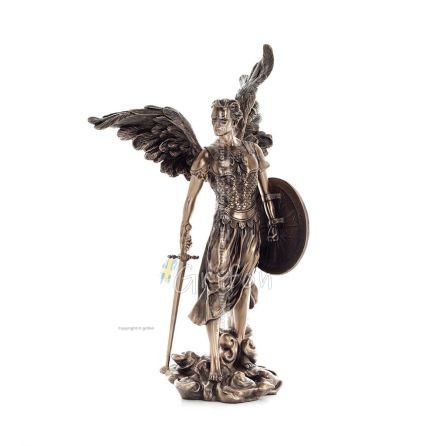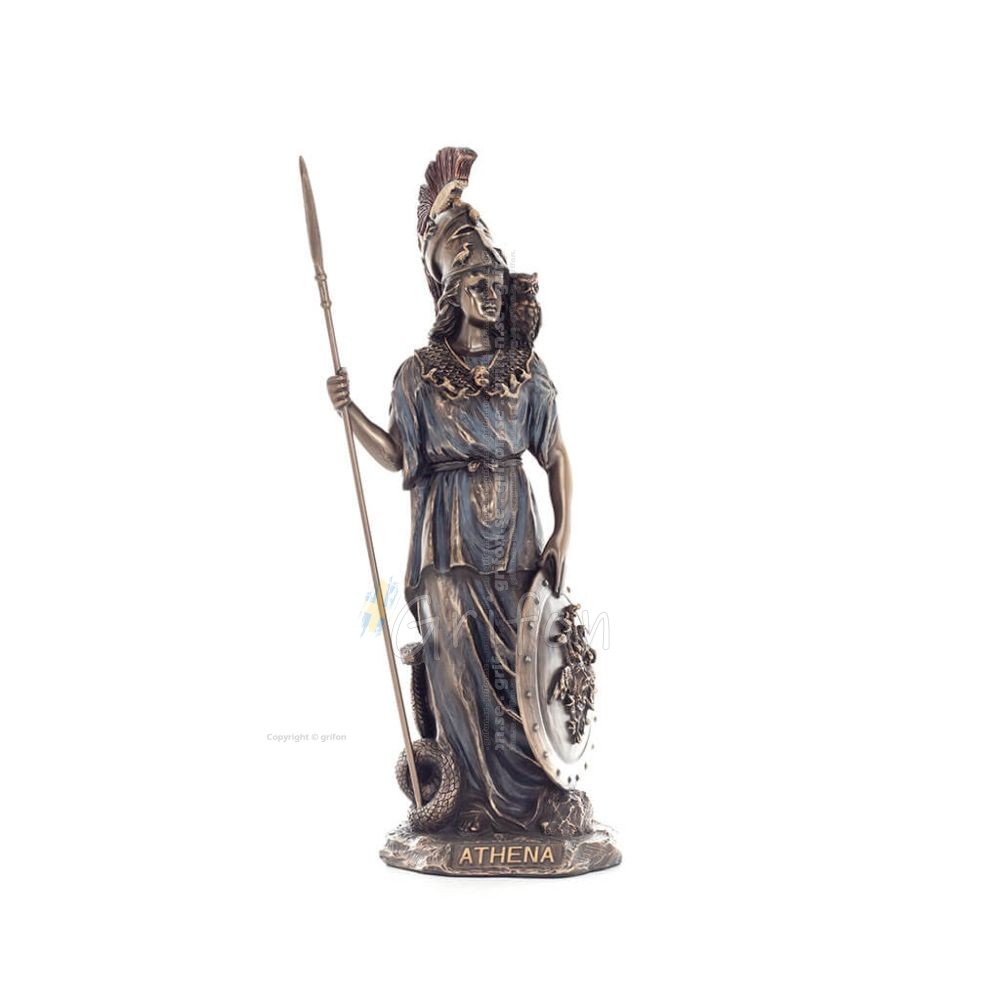

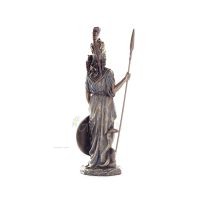
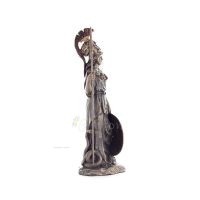

Athena, goddess of wisdom and strategy, is often depicted with an owl, shield, and spear. In one mythic scene, she competes with Poseidon for the rule of Athens, offering the olive tree as a gift, while the citys choice remains contested. In another account, she is born fully armed from the head of Zeus, inspiring awe and fear among the gods. The transformation of Arachne into a spider after a weaving contest with Athena reveals the tension between divine authority and human creativity.
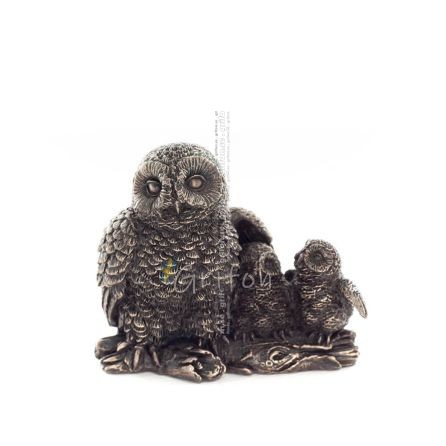
The owl beside Athena suggests constant vigilance and silent knowledge, while the shield and spear remain symbols of protection and conflict. Athenas myths retain ambiguity, with actions that often defy human expectations and leave unresolved questions about the nature of wisdom and power.
Athena, goddess of wisdom and strategy, is often depicted with an owl, shield, and spear. In one mythic scene, she competes with Poseidon for the rule of Athens, offering the olive tree as a gift, while the citys choice remains contested. In another account, she is born fully armed from the head of Zeus, inspiring awe and fear among the gods. The transformation of Arachne into a spider after a weaving contest with Athena reveals the tension between divine authority and human creativity.
The owl beside Athena suggests constant vigilance and silent knowledge, while the shield and spear remain symbols of protection and conflict. Athenas myths retain ambiguity, with actions that often defy human expectations and leave unresolved questions about the nature of wisdom and power.
Wholesale price — shown after approval. Create an account & apply to become a wholesale customer.
Athena, goddess of wisdom, strategy, and warfare, stands as one of the most complex figures in Greek mythology. Her birth from the head of Zeus, fully armed, caused awe and unease among the Olympians, as her presence challenged the boundaries of paternal authority and feminine creativity. This scene, recorded by Hesiod and Homer, remains open to interpretation, with Athena belonging neither fully to the world of men nor women.
Her contest with Poseidon for the rule of Athens, where she offers the olive tree while Poseidon strikes the earth with his trident, reveals the tension between violence and creation. The choice of the olive as a gift, a symbol of peace and survival, does not resolve the conflict, as the city remains divided between the two deities.
The transformation of Arachne into a spider after a weaving contest with Athena exposes the goddesss darker side. The punishment of Arachne is not merely an act of justice but also a sign of the ambivalence of divine authority toward human creativity. Athena appears as both protector and severe judge, leaving open the question of the limits of wisdom.
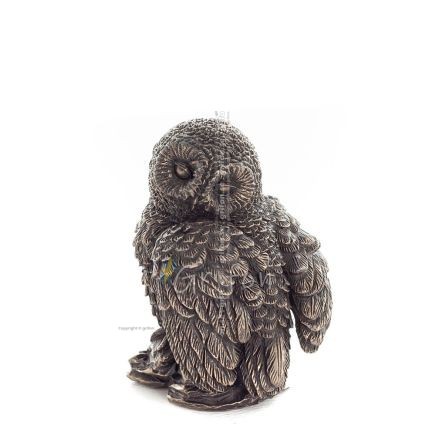
The owl, a timeless symbol of Athena, is associated with nocturnal observation and silent knowledge. In ancient Athens, the owl was depicted on coins, suggesting vigilance and the citys protection. The shield and spear, symbols of defense and attack, reinforce the dual nature of the goddess as both peacemaker and warrior.
In comparison, the Roman Minerva retains elements of Athena but emphasizes logic and technical skill. In Egyptian mythology, the goddess Neith shares attributes of wisdom and martial prowess, while in Indian tradition, the goddess Durga combines wisdom with destructive power, offering different perspectives on the relationship between knowledge and authority.
In the modern era, Athena remains a symbol of ambiguity: her wisdom is never absolute, her protection is accompanied by severity, and her creativity often bears the mark of conflict. Her myths preserve the tension between knowledge and power, without offering easy answers.
Data sheet
Specific References